FNIHCS
Finding Needles In Haystacks, and Chaotic Systems!
3 December 2020
Emmanuel T Odeke
Orijtech, Inc.
Emmanuel T Odeke
Orijtech, Inc.
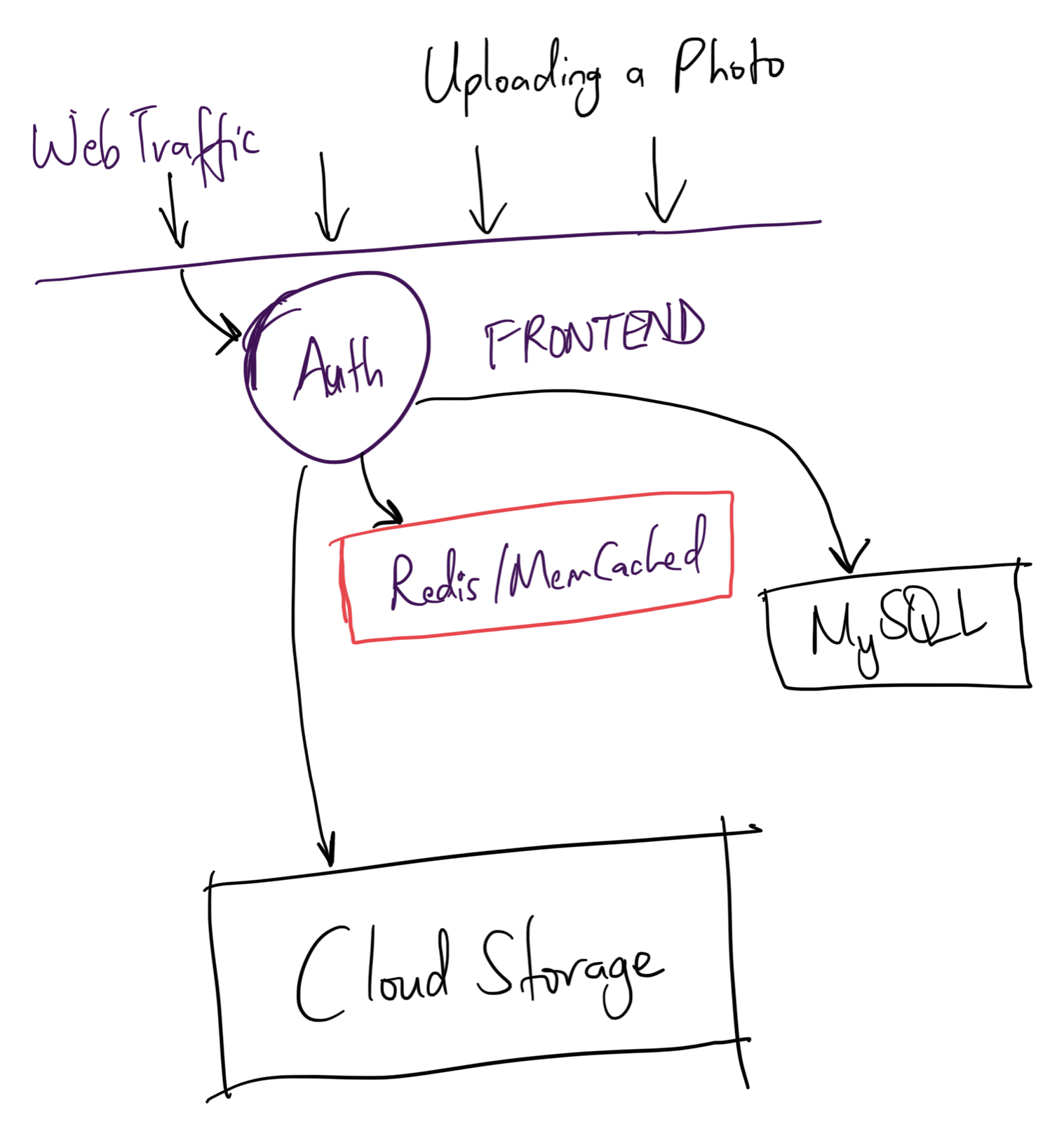
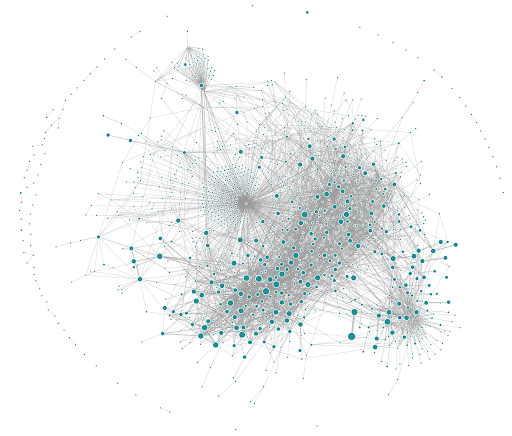

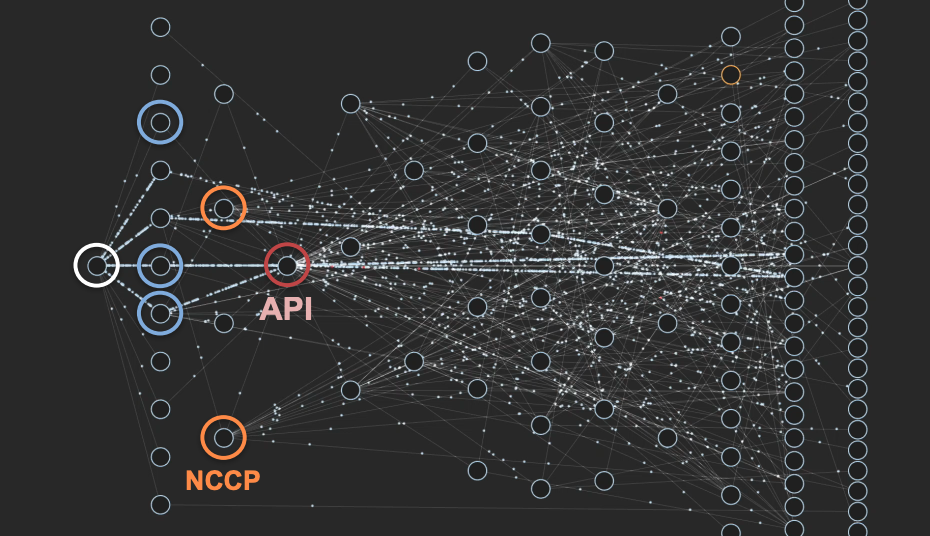

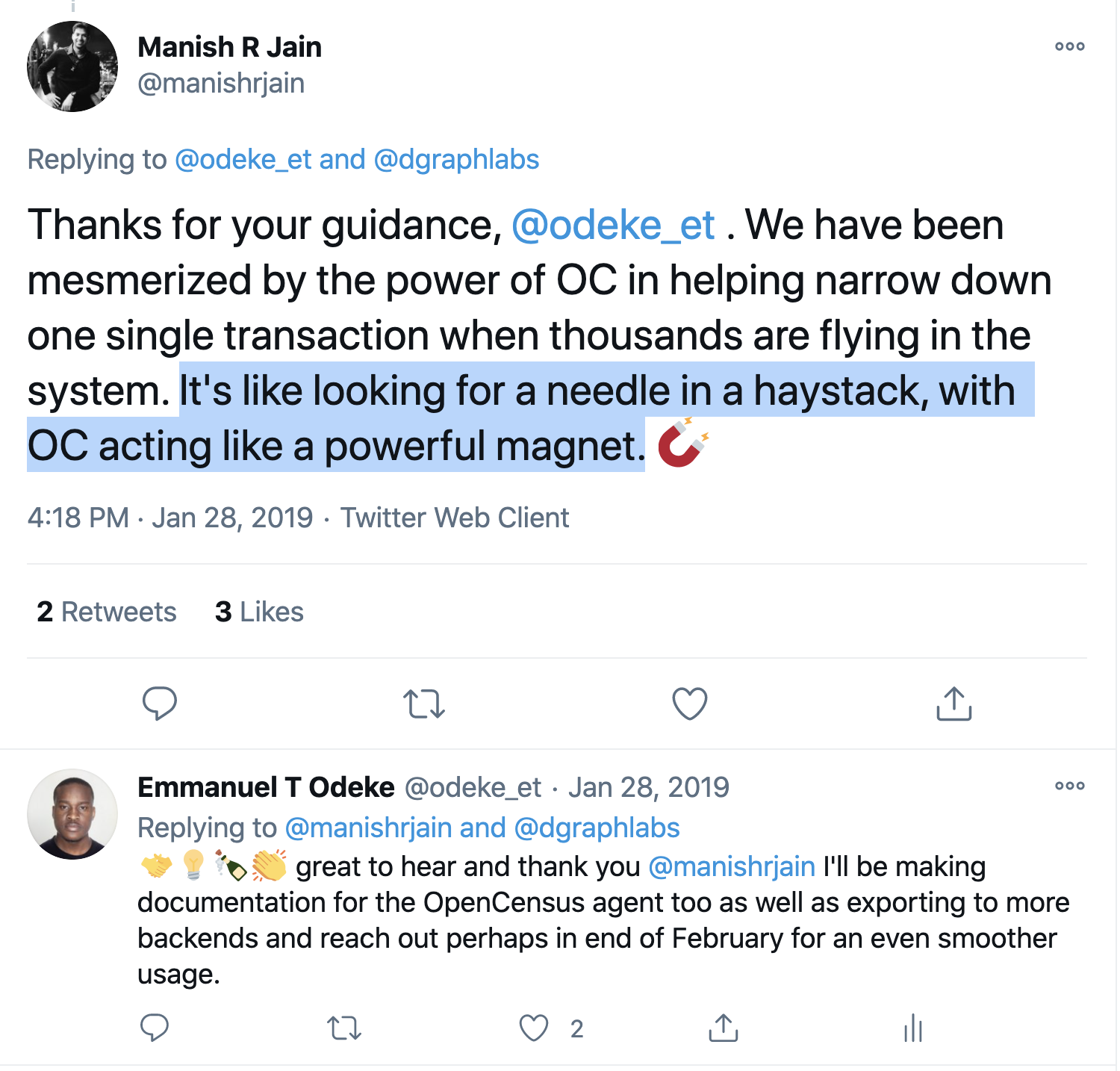
Manish's tweet https://twitter.com/manishrjain/status/1090041366380302336
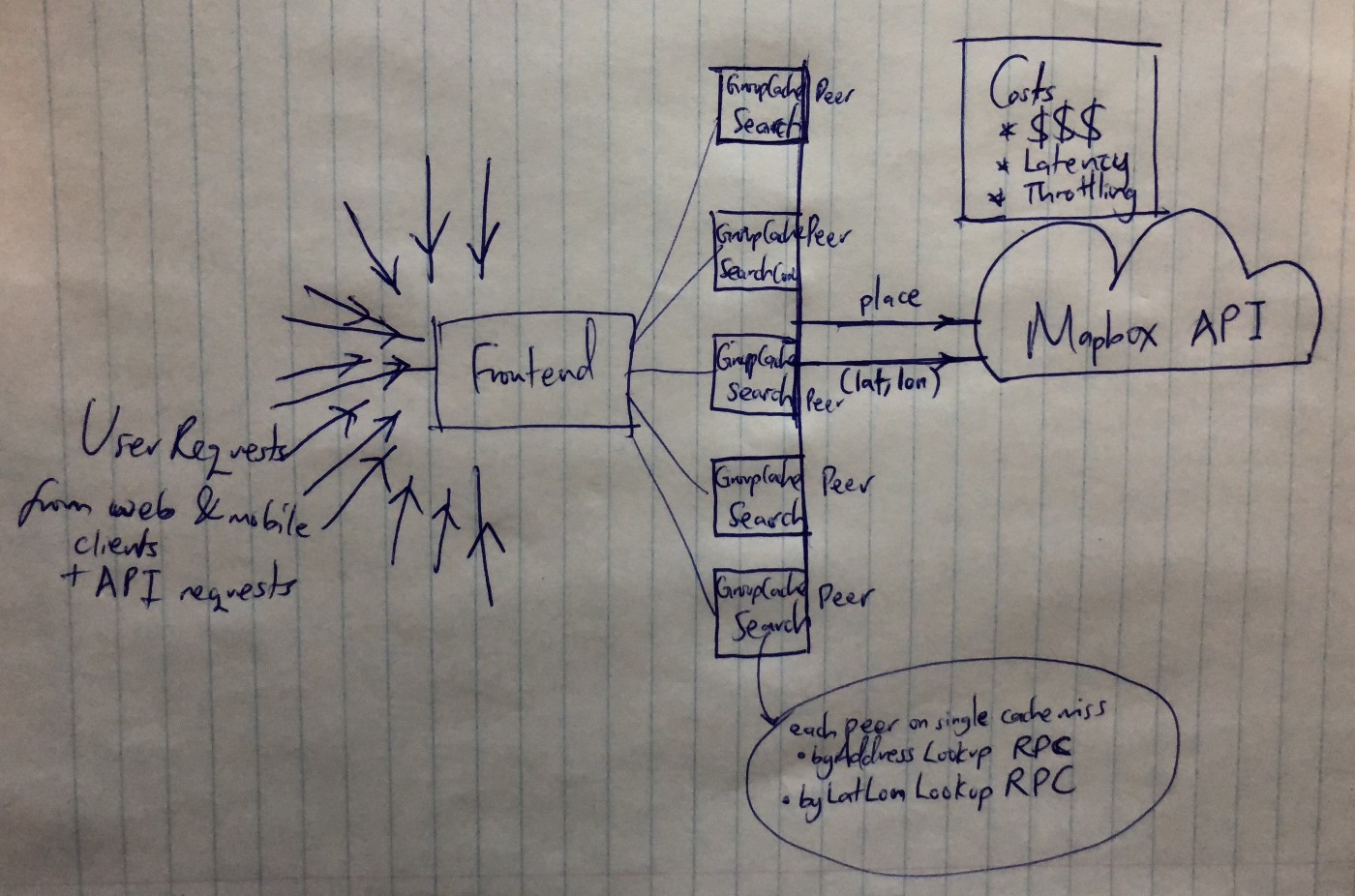
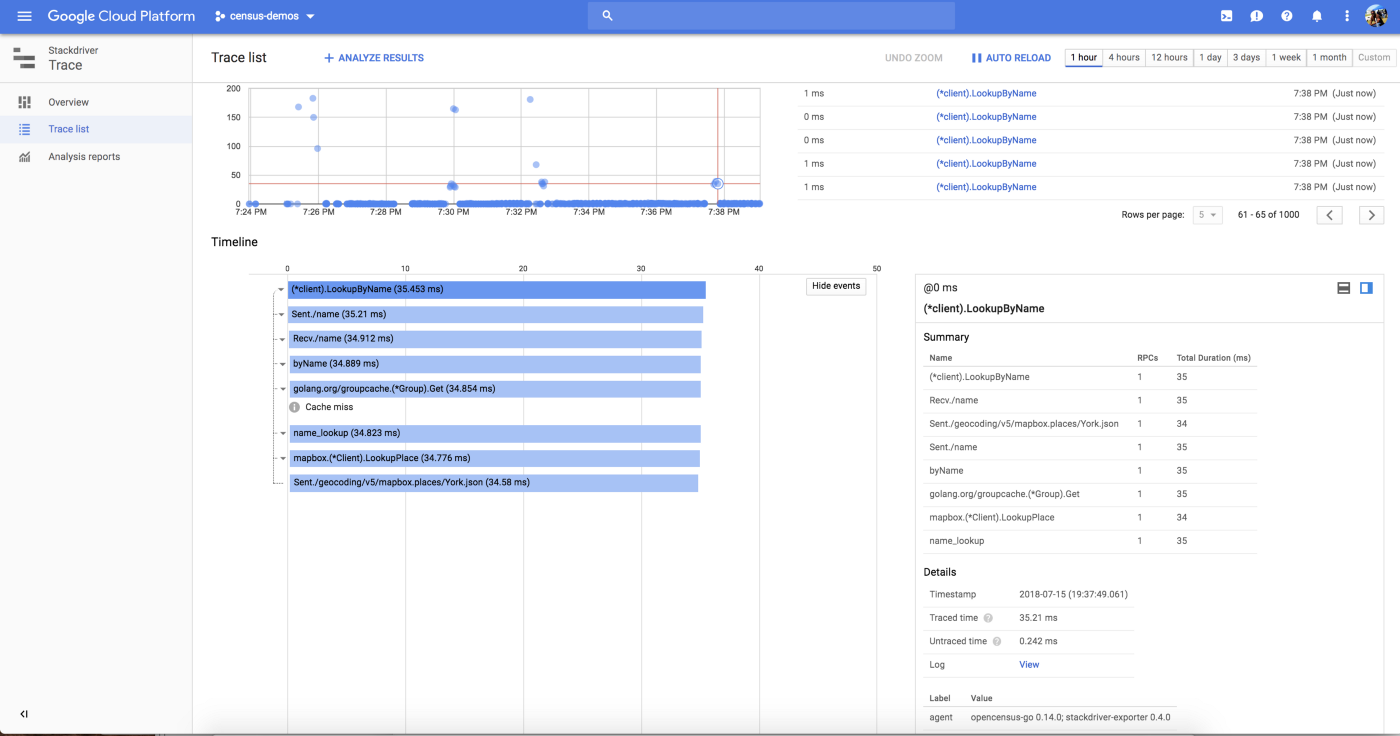
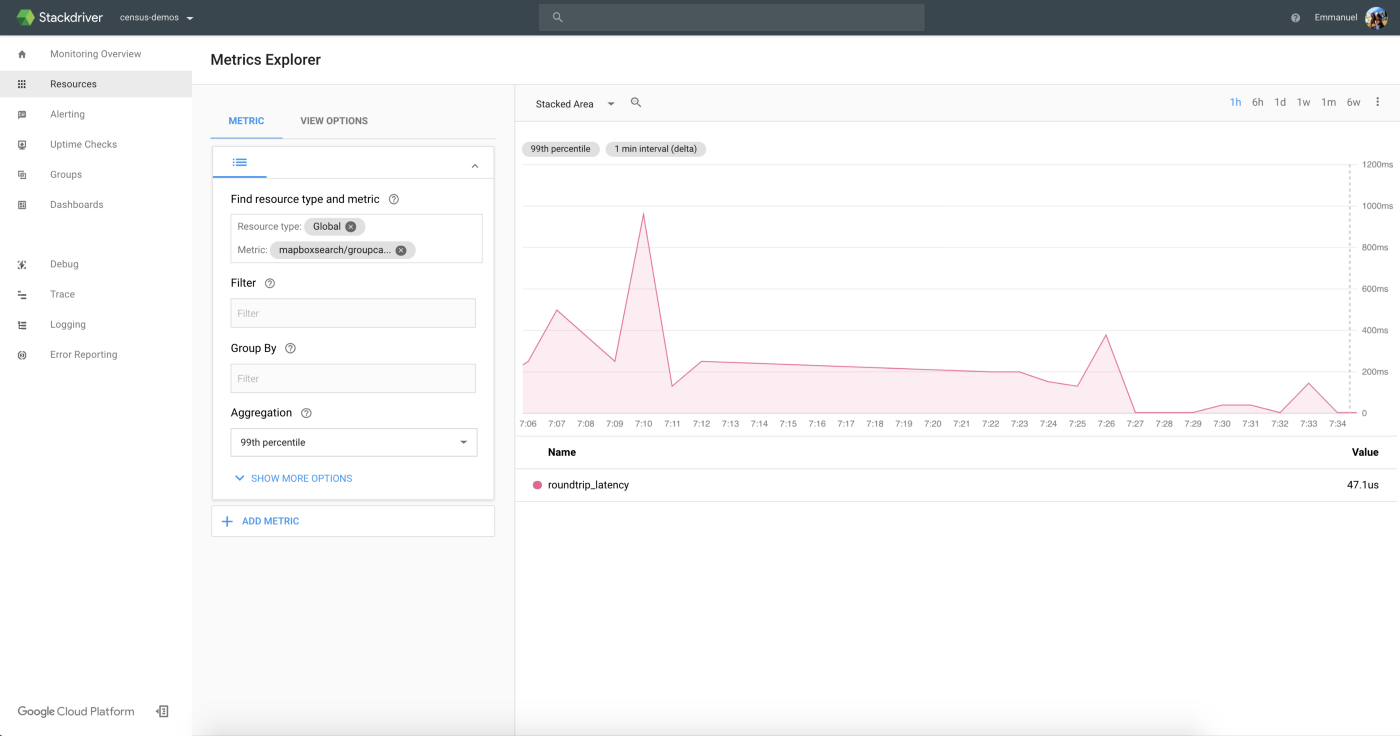
"contentType":null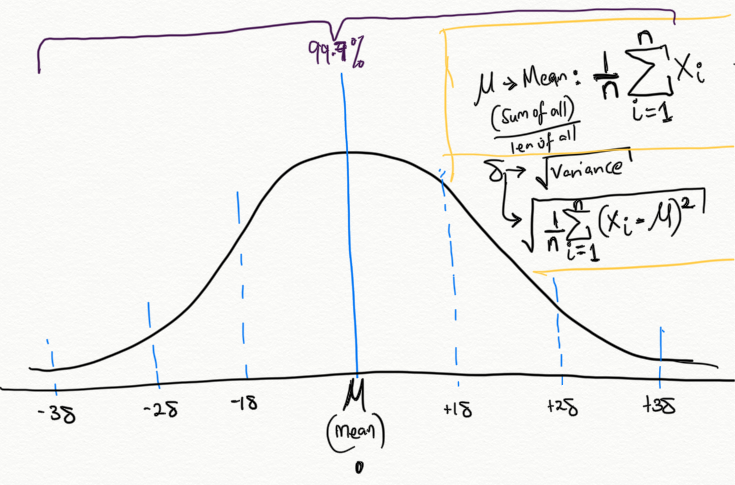
                // Return anomalous spans.
                µPlus3σ := st.mean + 3*st.stddev
                µMinus3σ := st.mean - 3*st.stddev
                above3Sigma := make([]*spanDetails, 0, len(sds))
                below3Sigma := make([]*spanDetails, 0, len(sds))
                nonInteresting := make([]*spanDetails, 0, len(sds))
                for _, sd := range sds {
                        if sd.latencyMs >= µPlus3σ {
                                above3Sigma = append(above3Sigma, sd)
                        } else if sd.latencyMs <= µMinus3σ {
                                below3Sigma = append(below3Sigma, sd)
                        } else {
                                nonInteresting = append(nonInteresting, sd)
                        }
                }
package main
import "runtime/pprof"

func periodicallyCPUProfile(ctx context.Context, w io.Writer) error {
    for {
        if err := pprof.StartCPUProfile(w); err != nil {
            panic(err)
        }
        select {
        case <-ctx.Done():
            return ctx.Err()
        case <-time.After(profilingPeriod):
            pprof.StopCPUProfile()
        }
        <-time.After(profilingPausePeriod)
    }
}
func main() {
    go periodicallyCPUProfile(ctx, w)
    defer cancel()
    // The rest of the logic goes down below...
}
package main

import _ "net/http/pprof"

func main() {
    go func() {
        log.Println(http.ListenAndServe(":3338", nil))
    }()
    // Rest of your logic goes here
}
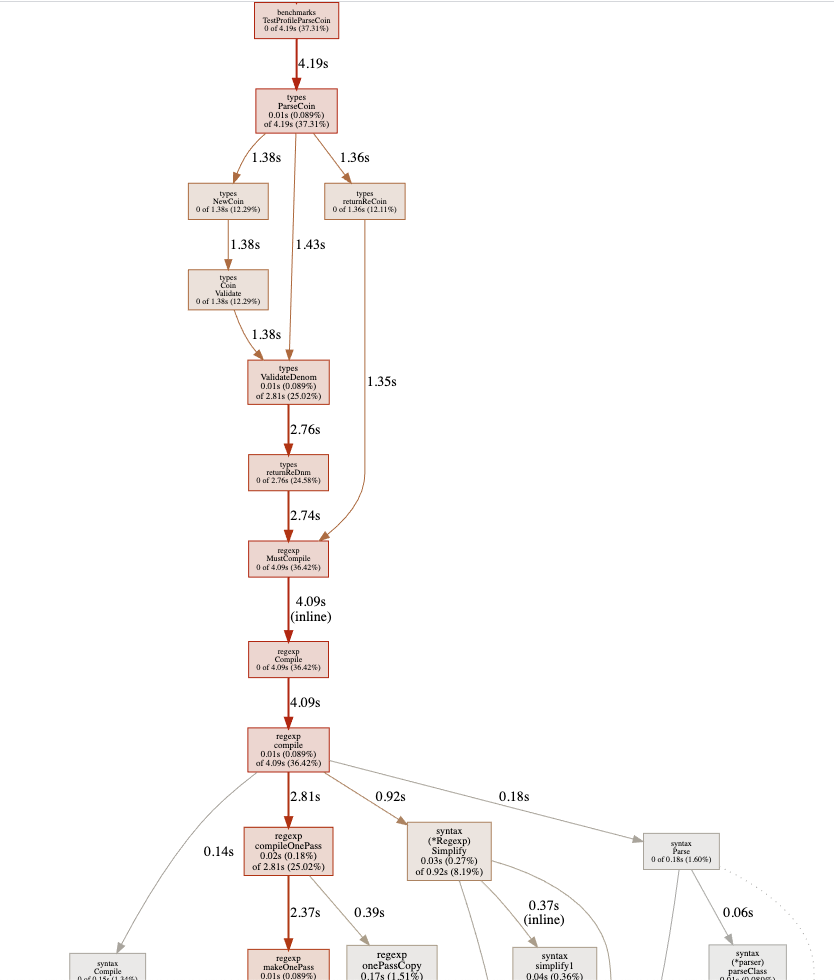
and then fetch a CPU profile
go tool pprof http://localhost:3338/debug/pprof/profile?seconds=30
package main
import "runtime/pprof"

func periodicallyMemoryProfile(ctx context.Context, w io.Writer) error {
    for {
        select {
        case <-ctx.Done():
            return ctx.Err()
        case <-time.After(profilingPeriod):
            if err := pprof.WriteHeapProfile(w); err != nil {
                panic(err)
            }
        }
        <-time.After(profilingPausePeriod)
    }
}
func main() {
    go periodicallyMemoryProfile(ctx, w)
    defer cancel()
    // The rest of the logic goes down below...
}
package main

import _ "net/http/pprof"

func main() {
    go func() {
        log.Println(http.ListenAndServe(":3338", nil))
    }()
    // Rest of your logic goes here
}
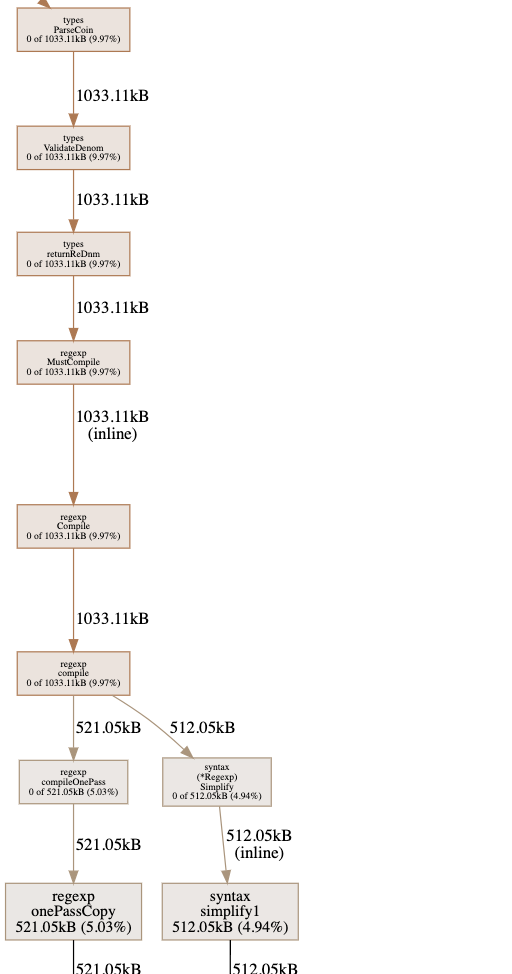
and then fetch a CPU profile
go tool pprof http://localhost:3338/debug/pprof/heap?seconds=30
Emmanuel T Odeke
Orijtech, Inc.
Observability, and infrastructure for high performance systems, and the cloud!